Effective Measures to Keep Mold at Bay Post Restoration
Addressing water damage swiftly is crucial, but the aftermath requires equal attention. Following restoration, mold growth is a common concern due to lingering moisture. Mold can cause health issues and structural damage if not managed promptly. Understanding how to prevent mold from forming after dealing with water damage helps protect your home and maintain its integrity. Let’s explore strategies and solutions to keep your property safe and mold-free.
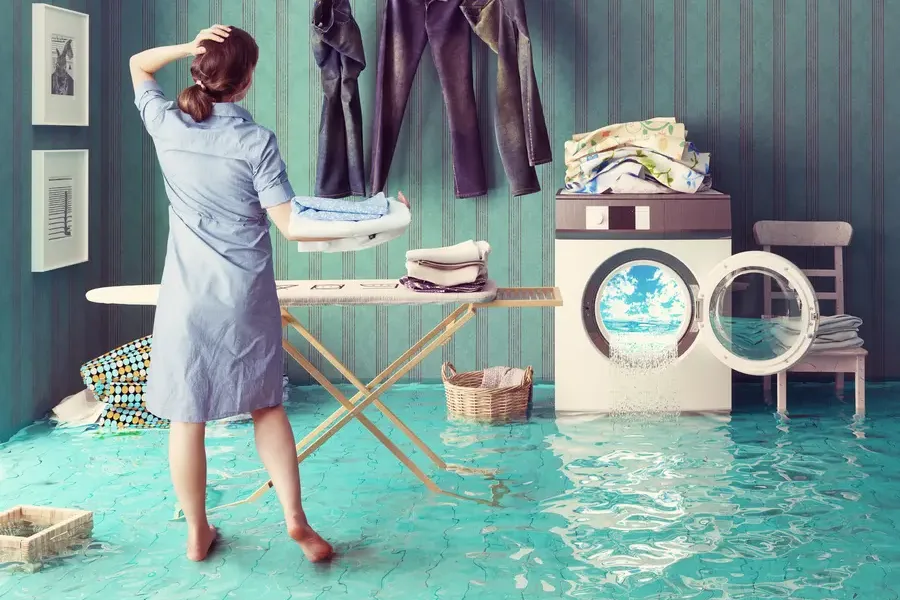
Understanding the Risks of Mold Growth
Mold thrives in damp environments, making it essential to act quickly when water intrusion occurs. If left unchecked, mold can spread rapidly within 24 to 48 hours. It poses significant health risks, especially for individuals with allergies or respiratory issues. Recognizing these dangers highlights the importance of effective prevention methods after water damage restoration.
The Importance of Professional Restoration Services
The process of water damage restoration involves more than just removing visible water. Professionals ensure that all excess moisture is addressed to prevent mold growth. They use advanced equipment like dehumidifiers and air movers to dry affected areas thoroughly. This step is critical because even small traces of moisture can lead to mold formation.
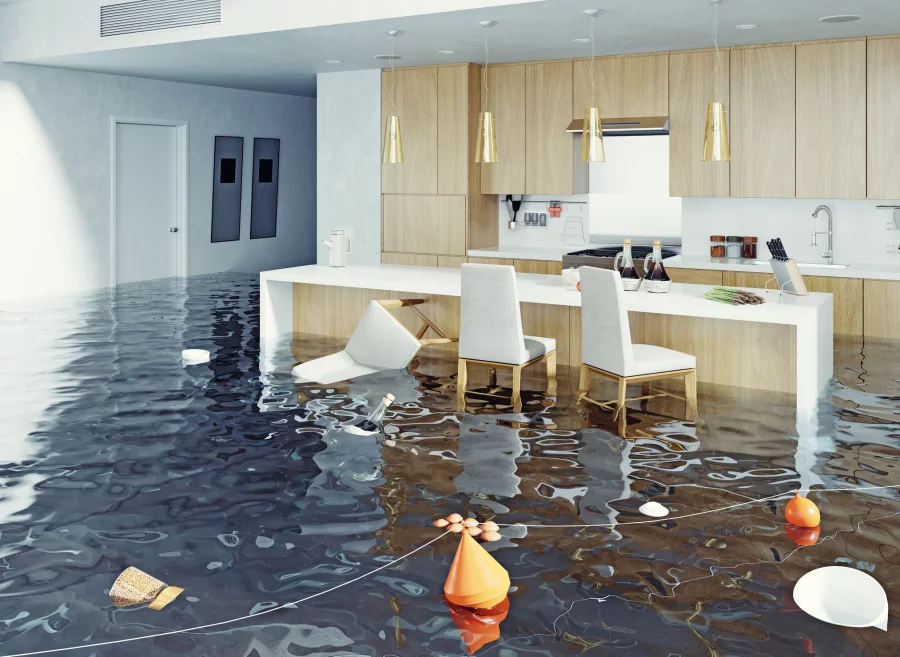
Identifying Common Causes of Mold After Water Damage
Several factors contribute to mold development following water damage. Poor ventilation, inadequate drying, and hidden leaks are typical culprits. Homeowners must be vigilant about these potential issues post-restoration. Identifying and addressing these causes early can significantly reduce the risk of mold infestation.
Steps to Prevent Mold After Water Damage
To effectively prevent mold, follow these critical steps:
- Ensure thorough drying by using fans and dehumidifiers
- Inspect for hidden leaks around plumbing fixtures
- Maintain good ventilation in all rooms
- Use mold-resistant products when repairing damaged areas
- Regularly check humidity levels and keep them below 60%
Best Practices for Mold Prevention Post-Restoration
Adopting best practices ensures long-term protection against mold. Opt for materials that resist moisture absorption when restoring your property. Regular inspections by professionals help catch signs of potential mold issues early on. Additionally, maintaining proper indoor humidity levels keeps the environment unfavorable for mold growth.
Industry Standards for Mold Prevention
Compliance with industry standards guarantees effective mold prevention. The Environmental Protection Agency (EPA) provides guidelines on maintaining safe indoor air quality and managing mold risks. Familiarize yourself with these recommendations to align your preventive measures with recognized safety standards.
Cost Considerations in Mold Prevention
While investing in preventive measures might seem costly upfront, it saves money in the long run by avoiding extensive mold remediation expenses. Budgeting for professional services like inspections and maintenance is an investment in your property’s health and value.
Your Next Steps With Trusted Professionals
Ensuring your home remains mold-free after handling water damage is possible with proactive steps and expert assistance. Trust in reputable providers like Oded Tapiro Handyman for reliable services. Reach out via (301) 246-2801 to discuss tailored solutions for your needs. Our team proudly serves clients throughout Rockville, MD, offering comprehensive support in safeguarding their properties.